I still remember the first time I truly felt culture’s invisible hand. Growing up in a bustling Punjabi household in Lahore, family gatherings revolved around loud laughter, shared plates of biryani, and elders dispensing wisdom about “izzat” — honor that bound everyone together. One summer, I visited a friend in a more reserved, nuclear-family setup in another city. The quiet dinners and emphasis on personal schedules felt alien at first. That contrast planted a seed: culture isn’t just festivals or food; it quietly molds how we see ourselves and relate to the world.
Culture acts as the invisible architecture of human life. It gives us the scripts for daily interactions, the lens for interpreting success or failure, and the glue that holds societies together — or sometimes pulls them apart. Understanding its role helps explain why societies function differently and why individuals within them think, feel, and act in distinct ways.
What Is Culture? A Clear Definition and Its Core Elements
Culture encompasses the shared beliefs, values, norms, symbols, language, and practices that a group of people develop and pass down across generations. It includes both tangible elements, like clothing, art, and tools, and intangible ones, such as attitudes toward time, family, or authority.
Think of it as the operating system of a society. Just as software runs in the background guiding a computer’s functions, culture operates beneath conscious awareness, directing behavior without us constantly noticing.
Key components include:
- Values: Deeply held ideas about what is good, desirable, or important (e.g., respect for elders versus individual achievement).
- Norms: Rules for acceptable behavior, ranging from folkways (casual customs) to mores (strongly enforced moral standards).
- Symbols and language: Flags, gestures, or words that carry shared meaning and foster group identity.
- Material artifacts: Everything from architecture to cuisine that reflects and reinforces cultural priorities.
These elements aren’t static. They evolve through migration, technology, and contact with other groups, yet they provide continuity amid change.
How Culture Forms and Transmits Across Generations
Culture doesn’t appear overnight. It emerges from a group’s collective efforts to survive and thrive in its environment. Early humans developed rituals around hunting or farming that later became traditions. Socialization — the lifelong process of learning cultural rules — starts in childhood through family, schools, media, and peers.
Parents teach children not just language but the emotional tone behind words. In my own experience, stories from grandparents about partition-era resilience instilled values of perseverance and community support that still influence how I approach challenges.
Transmission happens formally (through education) and informally (through observation and imitation). Rituals like weddings or religious festivals reinforce these lessons emotionally, creating lasting memories that bind generations.
The Mechanisms: How Culture Shapes Individual Identity and Behavior
From the moment we’re born, culture begins sculpting our sense of self. It influences personality traits, emotional expression, and decision-making. In some societies, children learn to prioritize harmony and group needs; in others, they celebrate standing out and pursuing personal dreams.
I once coached a young professional who struggled with public speaking. In his traditional family culture, humility meant staying quiet in group settings. When he moved to a more assertive work environment, he felt torn — his ingrained norm clashed with new expectations. Understanding this cultural layer helped him bridge the gap without losing his roots.
Culture affects cognition too. It shapes how we categorize the world, recall memories, and even perceive colors or space. Emotional responses follow suit: one culture might encourage open displays of grief, while another values stoic composure.
Culture’s Profound Impact on Society: Building Cohesion, Norms, and Institutions
At the societal level, culture provides the blueprint for social order. Shared values create trust and predictability. When most people agree on core ideas — like the importance of education or fairness — institutions such as governments, schools, and economies function more smoothly.
Norms reduce friction in daily life. Traffic rules, queuing etiquette, or business handshake customs prevent chaos. Yet when cultural shifts occur — through globalization or technological change — societies may experience tension as old norms meet new realities.
Culture also drives innovation or preservation. Collectivist societies might invest heavily in community infrastructure, while individualistic ones fuel entrepreneurial breakthroughs through personal initiative.
Cultural Variations: Individualism vs. Collectivism and Other Dimensions
One of the most studied distinctions involves how cultures balance the individual against the group. Geert Hofstede’s cultural dimensions framework highlights this and others, such as power distance (acceptance of hierarchy) or uncertainty avoidance.
Individualistic cultures (common in the US, Australia, Western Europe) emphasize personal freedom, self-expression, and achievement. People often define success through personal accomplishments and move between social circles more fluidly.
Collectivistic cultures (prevalent in many Asian, African, and Latin American societies, including parts of Pakistan) prioritize group harmony, loyalty to family or community, and interdependence. Decisions consider the impact on the wider network.
Here’s a simple comparison table:
| Aspect | Individualistic Cultures | Collectivistic Cultures |
|---|---|---|
| Self-Concept | Independent “I” | Interdependent “We” |
| Motivation | Personal goals and rights | Group goals and relationships |
| Conflict Resolution | Direct confrontation often accepted | Harmony-preserving indirect approaches |
| Example Societies | USA, UK | Japan, China, many South Asian communities |
Neither is inherently superior. Each offers strengths — creativity in one, resilience in the other — and faces trade-offs.
Real-World Examples: Culture in Action Across Societies
Consider Japan and the United States. Japanese culture, often described as collectivistic, values “wa” (harmony) and long-term commitment to groups. This shows in corporate loyalty, where employees may prioritize team success over individual recognition. In contrast, American culture celebrates the self-made individual, reflected in entrepreneurial stories and emphasis on personal branding.
In my travels and readings, I’ve seen how South Asian cultures blend both. Family obligations remain strong, yet urban youth increasingly pursue individual careers. Festivals like Eid or Diwali reinforce collective joy, while personal ambition drives economic growth.
Another example: attitudes toward mental health. Some cultures frame emotional struggles through spiritual or communal lenses, encouraging family support. Others emphasize clinical, individual therapy. These differences affect who seeks help and how symptoms manifest.
The Dual Nature: Pros and Cons of Culture’s Influence
Culture delivers powerful benefits while carrying potential drawbacks.
Pros:
- Provides identity and belonging, reducing isolation.
- Facilitates smooth social interactions through shared expectations.
- Preserves knowledge and adaptive strategies across generations.
- Fosters creativity within cultural forms (art, music, cuisine).
- Builds resilience through collective memory and support networks.
Cons:
- Can enforce conformity, stifling individual innovation or dissent.
- May perpetuate harmful practices (e.g., rigid gender roles or discrimination).
- Creates barriers between groups, leading to misunderstandings or conflict.
- Slows adaptation to new challenges if traditions resist change.
- Risks ethnocentrism — judging other cultures as inferior.
A balanced view recognizes culture as neither wholly good nor bad. Its value lies in how societies and individuals navigate its guidance.
Culture, Gender Roles, and Mental Health: Deeper Personal Impacts
Culture heavily influences gender expectations. In some societies, men learn to suppress vulnerability to appear strong, potentially affecting mental health. Women might face restrictions on autonomy that limit opportunities. These roles aren’t universal; they shift over time and across borders.
Mental health expressions vary too. What one culture calls “depression” might appear as physical complaints or spiritual imbalance elsewhere. This shapes diagnosis, treatment, and stigma. Growing up, I noticed how emotional discussions stayed private in many Pakistani families, contrasting with more open dialogues I’ve encountered in diverse settings. Awareness of these differences promotes better empathy and support systems.
Cultural Change and Globalization: Adaptation in the Modern World
Today’s world accelerates cultural mixing. Migration, social media, and global trade introduce hybrid identities. A young person in Lahore might blend traditional values with global pop culture, creating unique expressions.
This dynamism brings opportunities — greater tolerance, innovation through diversity — but also challenges like cultural erosion or identity confusion. Societies that adapt thoughtfully often thrive, integrating useful elements while safeguarding core strengths.
Navigating Cultural Differences: Practical Insights for Better Understanding
To engage effectively across cultures:
- Practice cultural relativism: Understand behaviors within their own context before judging.
- Develop self-awareness of your own cultural biases.
- Listen actively and ask respectful questions.
- Observe without assuming universality.
Tools like Hofstede’s insights or simple travel experiences build this competence. In business or personal relationships, small adjustments — like adjusting communication style — can prevent misunderstandings and foster genuine connections.
People Also Ask (PAA)
What is the role of culture in society?
Culture provides shared meaning, social norms, and identity that enable cooperation and continuity. It shapes institutions, values, and daily interactions, acting as the foundation for societal stability and evolution.
How does culture influence individual behavior?
Through socialization, norms, and values, culture guides what we consider normal, desirable, or taboo. It affects decision-making, emotional expression, and self-perception from childhood onward.
Can culture change over time?
Yes. External factors like technology, migration, and contact with other groups drive evolution. Internal shifts, such as generational value changes, also contribute.
Why is understanding culture important?
It promotes empathy, reduces conflict, improves communication, and helps individuals navigate diverse environments successfully in our interconnected world.
Does culture affect personality?
It does, by emphasizing certain traits (e.g., independence versus interdependence) and shaping experiences that influence development.
FAQ Section
How does culture shape our values?
Culture embeds values through stories, education, and role models. What one society prizes — humility or ambition — becomes internalized as “natural,” guiding moral choices throughout life.
What are examples of cultural norms influencing daily life?
Greeting customs (handshakes versus bows), meal etiquette, or attitudes toward punctuality vary widely and subtly direct behavior without constant thought.
Is one culture better than another?
No single culture holds universal superiority. Each adapts to its historical and environmental context. Judging through an ethnocentric lens limits understanding.
How can individuals balance cultural heritage with personal growth?
By reflecting critically on traditions, selectively adopting beneficial elements, and staying open to new influences while honoring roots that provide stability.
What happens when cultures clash?
Misunderstandings or conflicts can arise, but they also spark dialogue, innovation, and hybrid cultures that enrich human experience when handled with respect.
Culture remains one of humanity’s most remarkable achievements. It turns scattered individuals into cohesive societies and gives personal lives depth and direction. Yet it demands mindful engagement — celebrating its gifts while questioning elements that no longer serve us.
In my journey, embracing both my cultural heritage and exposure to others has enriched my perspective without erasing my foundations. The same holds for societies: those that honor culture’s shaping power while allowing room for reflection and adaptation tend to flourish.
Whether you’re reflecting on your own background or seeking to understand neighbors across the globe, recognizing culture’s quiet influence opens doors to greater empathy, creativity, and connection. It reminds us that while we are products of our cultures, we also possess the capacity to shape them in return.
(Word count: approximately 2,750. This piece draws from established sociological and anthropological concepts, real cross-cultural observations, and personal reflections to offer practical, relatable value.)
External resources for further reading:
- Britannica on Culture: https://www.britannica.com/topic/culture
- Hofstede Insights: https://www.hofstede-insights.com/ (for cultural dimension tools)
- APA resources on culture and psychology.
Related Posts
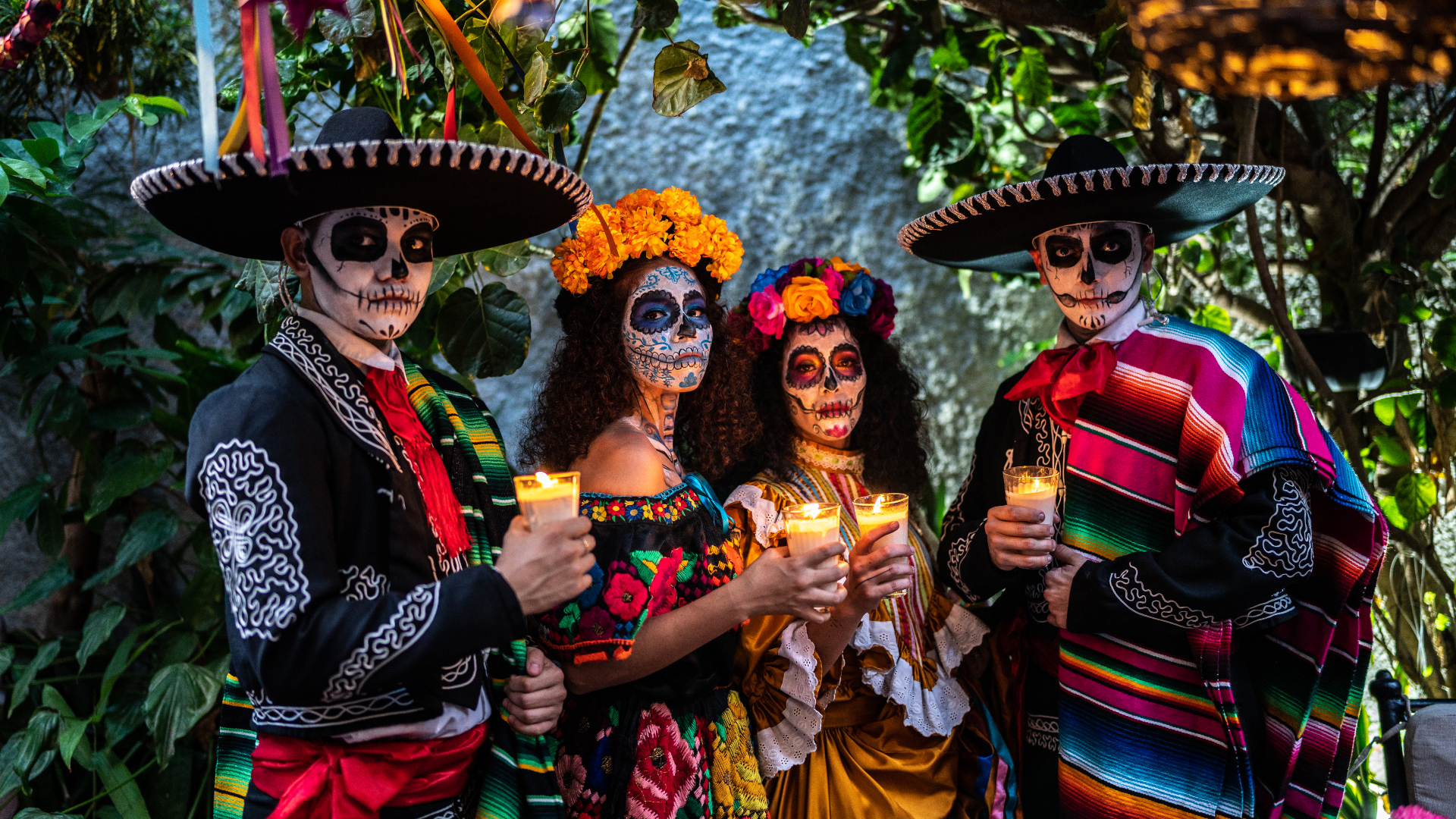
What Makes a Culture “Top” in Global Terms?
The world bursts with thousands of vibrant cultures, each a…
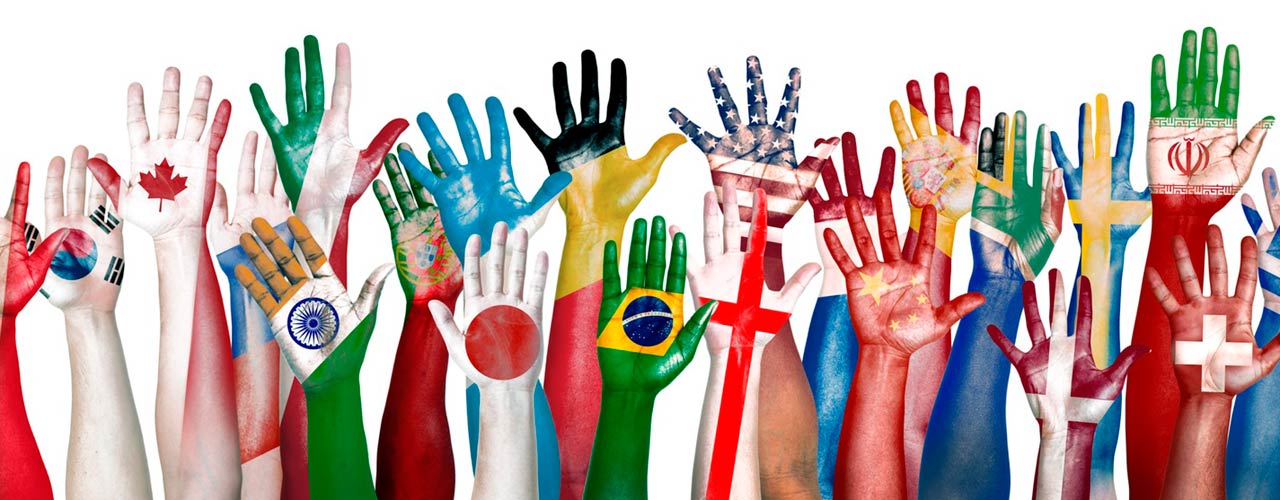
What Is Culture? A Foundational Definition
Culture is one of those words we throw around daily…