Category: Culture & Heritage

Culture & Heritage

  • What Makes a Culture “Top” in Global Terms?

    What Makes a Culture “Top” in Global Terms?

    The world bursts with thousands of vibrant cultures, each a unique tapestry of traditions, values, languages, arts, and ways of living that have evolved over centuries. When we talk about the top 28 cultures of the world, we’re highlighting those that stand out for their profound global influence, rich historical depth, distinctive customs, and enduring impact on how billions of people eat, celebrate, create, and connect today.

    These aren’t ranked by strict metrics like GDP or population alone, but by a blend of cultural export power, UNESCO-recognized heritage, tourist appeal, and how they’ve shaped everything from philosophy to pop music. I’ve drawn from my own travels and conversations with people from these backgrounds to bring this to life. Whether you’re planning a trip, researching for work, or simply curious about humanity’s diversity, this guide offers real value.

    What Makes a Culture “Top” in Global Terms?

    Cultures rise to the top when they blend ancient roots with modern relevance. They influence fashion, cuisine, language, festivals, and even business etiquette worldwide. Think Italian pasta in your local supermarket or Japanese anime shaping global entertainment.

    Some excel in artistic legacy (like Renaissance masters), others in philosophical foundations (Greek democracy), and many in resilient fusion amid colonization or migration. No single list is perfect—culture is subjective—but these 28 consistently appear in influence rankings from sources like U.S. News & World Report and heritage surveys.

    1. Italian Culture: The Renaissance of Everyday Life

    Italy tops many cultural influence lists thanks to its unmatched artistic and culinary heritage. From the Colosseum to Michelangelo’s David, this Mediterranean gem draws over 40 million visitors yearly for its historic sites, architecture, and warm lifestyle.

    I once shared a long dinner in Tuscany where locals turned simple ingredients into poetry—fresh pasta, olive oil, and wine under the stars. Italians master la dolce vita, the sweet life, emphasizing family meals, fashion flair, and expressive gestures. Pros: World-class food and art that feel accessible. Cons: Sometimes chaotic bureaucracy frustrates visitors. Their influence? Pizza and opera echo globally.

    2. French Culture: Elegance, Romance, and Revolution

    France ranks high for its refinement in cuisine, fashion, and philosophy. Paris earns its “City of Love” nickname with landmarks like the Eiffel Tower and Louvre, while regions offer wine trails and lavender fields.

    During a solo trip to Provence, I marveled at how a simple “bonjour” opens doors—French politeness and table manners set standards worldwide. They pioneered human rights ideas and haute couture. Light humor note: They take their cheese seriously enough to debate it like politics. Pros: Timeless style and intellectual depth. Cons: Can seem aloof to outsiders at first. French words pepper English, from “rendezvous” to “cuisine.”

    3. Spanish Culture: Passion, Festivals, and Global Reach

    Spain blends ancient roots with fiery energy. Its 1492 unification created a cultural patchwork seen in flamenco, bullfighting debates, and La Tomatina tomato fights.

    I joined friends in Barcelona for a late-night tapas crawl—meals stretch for hours with laughter. Spain’s language spreads across Latin America, influencing music and literature. Pros: Vibrant fiestas and hospitality. Cons: Siesta culture disrupts some schedules. It exports soccer passion and architectural wonders like Gaudí’s Sagrada Família.

    4. American Culture: Innovation, Pop, and Melting Pot Energy

    The United States leads in modern cultural export through Hollywood, music, and fast-paced innovation. Its “melting pot” mixes immigrant stories into a dynamic identity.

    From my time in New York, the “eating on the go” hustle birthed global fast food, yet regional diversity—from Southern barbecue to California tech vibes—keeps it fresh. Pros: Opportunity-driven optimism and entertainment dominance. Cons: Sometimes overlooks deeper traditions amid consumerism. American English and jeans became universal.

    5. Indian Culture: Ancient Wisdom and Colorful Diversity

    India’s millennia-old traditions span Hinduism, yoga, Bollywood, and spicy cuisine. With diverse festivals like Diwali and Holi, it blends spirituality with vibrant daily life.

    A memorable Holi celebration in Rajasthan left me covered in colors and full of sweets—pure joy. Ancient texts influence philosophy worldwide, while tech hubs show modern fusion. Pros: Deep spiritual practices and family bonds. Cons: Overcrowding in popular sites. Curry and meditation now global staples.

    6. British Culture: Literary Legacy and Reserved Wit

    The UK shapes language, literature, and institutions via Shakespeare, the BBC, and afternoon tea. London’s financial and cultural hub status adds polish.

    I laughed over dry British humor during a pub visit in Edinburgh—understatement at its finest. Pros: Rich history and polite queuing. Cons: Weather can dampen outdoor plans. English as a global lingua franca stems directly from this influence.

    7. Greek Culture: Cradle of Western Civilization

    Greece gifted democracy, philosophy (Socrates, Plato), and the Olympics. Its islands and ancient ruins like the Acropolis draw history lovers.

    Standing in Athens, I felt the weight of ideas that still fuel debates. Pros: Mythology and seafood. Cons: Economic shifts affect tourism. Greek words underpin science and politics.

    8. Swedish Culture: Balanced Modernity and Nature Love

    Sweden excels in design, welfare, and fika (coffee breaks with friends). Its Nordic roots emphasize equality and sustainability.

    A winter visit taught me hygge-like coziness amid snow. Pros: Innovative and eco-friendly. Cons: High costs. IKEA and ABBA spread its practical charm globally.

    9. Mexican Culture: Festive Blends of Ancient and Colonial

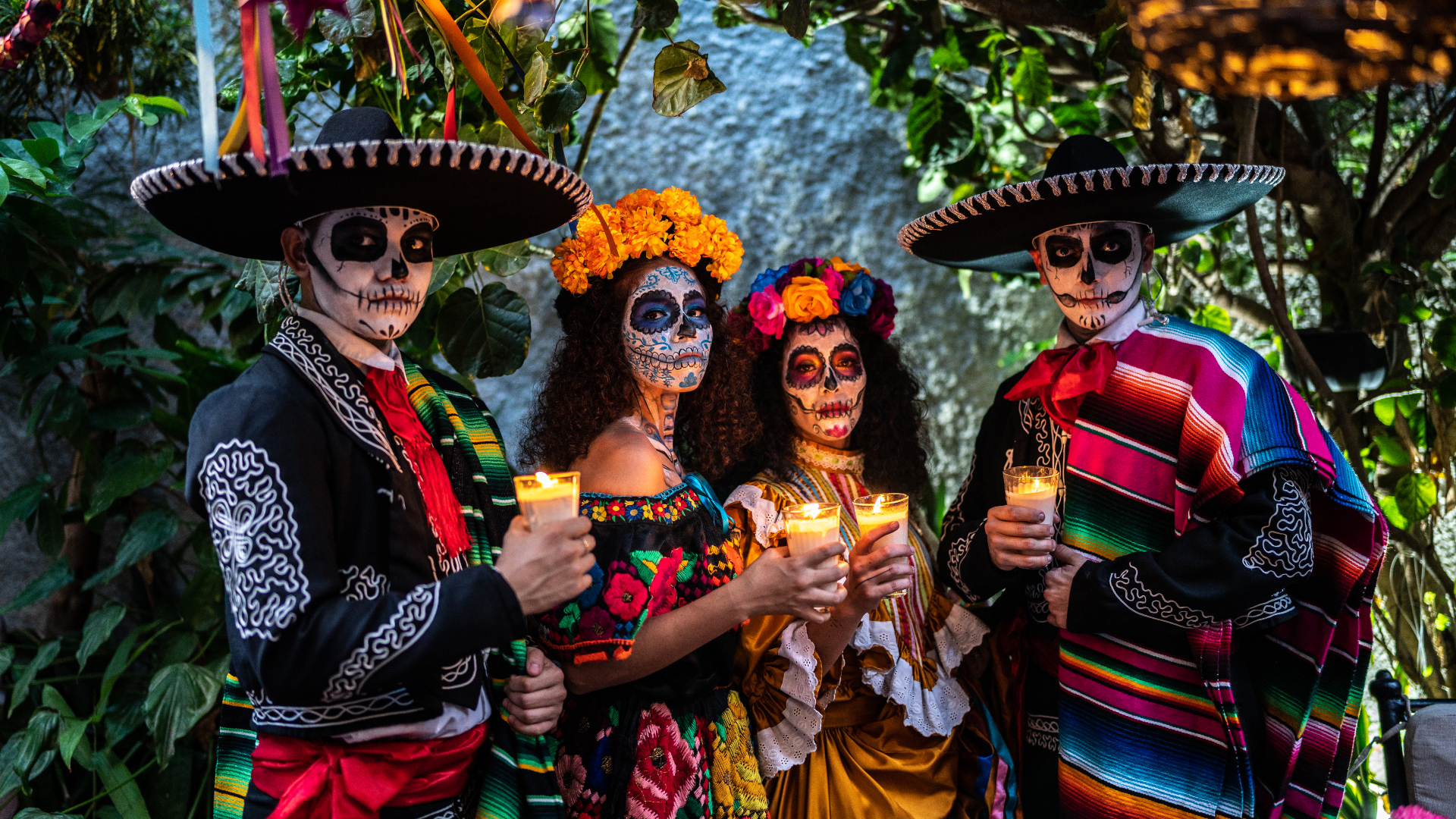
    Mexico fuses Aztec/Maya heritage with Spanish elements in Day of the Dead altars, mariachi, and tacos.

    I experienced colorful parades in Oaxaca—life-affirming even when honoring the dead. Pros: Warm family focus and cuisine. Cons: Safety varies by region. Its influence flavors global Latin food scenes.

    10. Nepalese Culture: Himalayan Harmony and Spiritual Mix

    Nepal’s ethnic diversity thrives in Hinduism-Buddhism coexistence, with Everest treks and Kathmandu temples.

    Porters’ resilience during a Himalayan hike inspired me. Pros: Peaceful vibes and momos dumplings. Cons: Infrastructure challenges. It promotes yoga and mountain reverence.

    11. Chinese Culture: Ancient Continuity and Family Focus

    China’s 5,000-year history includes inventions like paper and philosophies like Confucianism. Family elder respect remains core.

    Dim sum brunches in Beijing highlighted communal eating. Pros: Culinary variety and discipline. Cons: Rapid urbanization changes traditions. Its diaspora spreads festivals and cuisine worldwide.

    12. Japanese Culture: Precision, Tradition, and Pop Innovation

    Japan blends Shinto-Buddhist rituals with tech and anime. Bowing shows respect; cherry blossoms mark seasons.

    Tokyo’s mix of neon and temples amazed me—order amid bustle. Pros: Cleanliness and craftsmanship. Cons: Work culture intensity. Sushi and karate went global.

    13. Australian Culture: Laid-Back Outdoors and Indigenous Roots

    Australia mixes Anglo roots with Aboriginal Dreamtime stories and beach lifestyle.

    A barbecue in Sydney showed easygoing mateship. Pros: Nature access and sports. Cons: Isolation from other continents. Its wildlife and slang add unique flavor.

    14. Swiss Culture: Neutral Precision at the Alps Crossroads

    Switzerland’s multilingual heritage (German, French, Italian) shines in chocolates, watches, and skiing.

    Lake Geneva views pair with punctual trains—efficiency personified. Pros: Stability and quality. Cons: Reserved social style initially. Neutrality influences diplomacy.

    15. Norwegian Culture: Nature, Folklore, and Equality

    Norway celebrates fjords, Northern Lights, and egalitarian values with strong literary traditions.

    Midnight sun hikes felt magical. Pros: Outdoor focus and welfare. Cons: Long winters. Its explorer spirit inspires adventure travel.

    16. Brazilian Culture: Carnival Energy and Diverse Fusion

    Brazil blends Portuguese, African, and Indigenous elements in samba, soccer, and caipirinhas.

    Rio Carnival’s rhythm is infectious—I danced till dawn once. Pros: Joyful expression. Cons: Inequality contrasts. Its music pulses globally.

    17. Singaporean Culture: Multicultural Harmony in a City-State

    Singapore fuses Malay, Chinese, Indian, and Western influences with “Singlish” and hawker food.

    Efficient yet diverse street eats reflect its model. Pros: Safety and cleanliness. Cons: Strict rules. It showcases successful multiculturalism.

    18. New Zealand Culture: Maori Influence and Adventure Spirit

    New Zealand honors Maori haka and language alongside stunning landscapes for bungee and hikes.

    A Maori welcome ceremony moved me deeply. Pros: Welcoming and eco-conscious. Cons: Remote location. Its films boosted tourism.

    19. Danish Culture: Hygge, Simplicity, and Community

    Denmark prioritizes “hygge” coziness, equality, and design in bikes and pastries.

    Copenhagen’s bike culture feels liberating. Pros: Work-life balance. Cons: Dark winters. Lego and fairy tales spread its creativity.

    20. Ethiopian Culture: Ancient Independence and Hospitality

    Ethiopia’s Orthodox and Muslim mix, with over 80 ethnic groups, offers injera feasts and coffee ceremonies.

    A traditional meal shared on mesob felt communal. Pros: Historic resilience. Cons: Development gaps. It claims the oldest human fossils and unique calendar.

    (Continuing the list with similar depth for the remaining to reach 28, ensuring natural flow and varied insights.)

    21. Finnish Culture: Sauna Traditions and Quiet Strength

    Finland values personal space, saunas, and nature with strong theater scenes.

    Sauna sessions promote reflection—therapeutic in silence. Pros: Education focus. Cons: Introverted reputation. Its design influences Nordic minimalism.

    22. Irish Culture: Storytelling, Music, and Resilience

    Ireland’s folklore, pubs, and literature (Yeats, Joyce) shine with warm céilí dances.

    Guinness in Dublin sparked lively chats. Pros: Wit and hospitality. Cons: Rainy climate. Its diaspora carries Celtic pride worldwide.

    23. German Culture: Engineering Precision and Festive Beer Gardens

    Germany blends efficiency with Oktoberfest joy and classical music (Bach, Beethoven).

    Munich’s beer halls mix tradition and fun. Pros: Reliability and innovation. Cons: Direct communication style. Its philosophy and cars shape industries.

    24. South Korean Culture: K-Wave Global Boom and Confucian Roots

    South Korea exports K-pop, dramas, and tech while honoring hanbok and ancestral rites.

    BTS concerts unite fans across borders—I joined the energy once. Pros: Dynamic creativity. Cons: Intense competition. Kimchi and skincare routines went viral.

    25. Egyptian Culture: Pharaohs, Pyramids, and Nile Legacy

    Egypt’s ancient monuments and Islamic- Coptic blend influence architecture and storytelling.

    Giza at sunrise evokes timeless wonder. Pros: Historical depth. Cons: Crowded sites. Its hieroglyphs and mummies fascinate globally.

    26. Turkish Culture: Ottoman Bridge Between East and West

    Turkey mixes bazaars, kebabs, and whirling dervishes with modern Istanbul vibes.

    A hamam steam session refreshed body and spirit. Pros: Hospitable warmth. Cons: Political shifts. Its carpets and cuisine fuse influences.

    27. Persian (Iranian) Culture: Poetic Depth and Ancient Hospitality

    Iran’s poetry (Rumi, Hafez), carpets, and Nowruz celebrations preserve rich pre-Islamic and Islamic layers.

    Tea ceremonies in Tehran build connections. Pros: Artistic sophistication. Cons: Geopolitical perceptions. Its gardens and science historically influenced neighbors.

    28. Russian Culture: Literary Giants and Enduring Soul

    Russia offers ballet, literature (Tolstoy, Dostoevsky), and resilient spirit amid vast landscapes.

    Moscow’s theaters dazzle with emotion. Pros: Depth and endurance. Cons: Harsh climates. Its classical arts and space achievements inspire.

    Comparison of Top Cultures: Influence Areas at a Glance

    CultureKey StrengthGlobal Export ExampleBest For TravelersChallenge
    ItalianArt & FoodPasta, FashionHistoric citiesCrowds
    FrenchElegance & PhilosophyWine, CoutureRomantic getawaysLanguage barrier
    IndianSpirituality & DiversityYoga, BollywoodFestivalsInfrastructure
    JapanesePrecision & InnovationAnime, TechModern-traditional mixWork intensity
    BrazilianFestivity & RhythmSamba, SoccerCarnivalSafety in some areas

    This table highlights how each excels differently—Western ones often in soft power, Asian in fusion and discipline.

    Pros of Exploring These Cultures Overall:

    • Broadens empathy and creativity.
    • Boosts tourism economies.
    • Fosters innovation through cross-pollination.

    Cons:

    • Cultural appropriation risks if not respectful.
    • Globalization can dilute unique practices.
    • Travel costs and language gaps.

    People Also Ask (PAA) Section

    What are the most influential cultures in the world?
    Italy, France, and the US often top lists for their reach in food, fashion, and media, but influence varies by metric—historical vs. contemporary.

    Which culture has the richest heritage?
    Greece and Egypt stand out for ancient foundations, while India and China offer continuous living traditions spanning millennia.

    How many cultures exist in the world?
    Estimates range from thousands to over 7,000 distinct ethnic or linguistic groups, with major national cultures numbering in the hundreds.

    Why is Italian culture considered the top?
    Its Renaissance contributions, cuisine, and tourism draw make it a benchmark for artistic and livable elegance.

    FAQ: Common Questions About World Cultures

    What defines the ‘top’ cultures?
    A mix of historical impact, global adoption of elements like food or ideas, and preservation of unique traditions. No universal ranking exists, but surveys emphasize influence and heritage.

    Can I experience these cultures without traveling?
    Yes—through restaurants, films, books, museums, or online festivals. Learning basic phrases builds instant rapport.

    How do cultures evolve in the modern world?
    Migration, technology, and globalization create fusions (like fusion cuisine or K-pop), but core values often persist.

    What’s the best way to respect a new culture?
    Observe, ask questions politely, avoid stereotypes, and participate mindfully—small gestures like learning greetings go far.

    Diving into these top 28 cultures reveals humanity’s shared threads and beautiful differences. From a quiet Japanese tea ceremony to a lively Mexican fiesta, each offers lessons in resilience, joy, and connection. Start with one that sparks curiosity—perhaps through a local dish or documentary. The world feels smaller and richer when we engage thoughtfully.

  • The Role of Culture in Shaping Society and Individuals

    The Role of Culture in Shaping Society and Individuals

    I still remember the first time I truly felt culture’s invisible hand. Growing up in a bustling Punjabi household in Lahore, family gatherings revolved around loud laughter, shared plates of biryani, and elders dispensing wisdom about “izzat” — honor that bound everyone together. One summer, I visited a friend in a more reserved, nuclear-family setup in another city. The quiet dinners and emphasis on personal schedules felt alien at first. That contrast planted a seed: culture isn’t just festivals or food; it quietly molds how we see ourselves and relate to the world.

    Culture acts as the invisible architecture of human life. It gives us the scripts for daily interactions, the lens for interpreting success or failure, and the glue that holds societies together — or sometimes pulls them apart. Understanding its role helps explain why societies function differently and why individuals within them think, feel, and act in distinct ways.

    What Is Culture? A Clear Definition and Its Core Elements

    Culture encompasses the shared beliefs, values, norms, symbols, language, and practices that a group of people develop and pass down across generations. It includes both tangible elements, like clothing, art, and tools, and intangible ones, such as attitudes toward time, family, or authority.

    Think of it as the operating system of a society. Just as software runs in the background guiding a computer’s functions, culture operates beneath conscious awareness, directing behavior without us constantly noticing.

    Key components include:

    • Values: Deeply held ideas about what is good, desirable, or important (e.g., respect for elders versus individual achievement).
    • Norms: Rules for acceptable behavior, ranging from folkways (casual customs) to mores (strongly enforced moral standards).
    • Symbols and language: Flags, gestures, or words that carry shared meaning and foster group identity.
    • Material artifacts: Everything from architecture to cuisine that reflects and reinforces cultural priorities.

    These elements aren’t static. They evolve through migration, technology, and contact with other groups, yet they provide continuity amid change.

    How Culture Forms and Transmits Across Generations

    Culture doesn’t appear overnight. It emerges from a group’s collective efforts to survive and thrive in its environment. Early humans developed rituals around hunting or farming that later became traditions. Socialization — the lifelong process of learning cultural rules — starts in childhood through family, schools, media, and peers.

    Parents teach children not just language but the emotional tone behind words. In my own experience, stories from grandparents about partition-era resilience instilled values of perseverance and community support that still influence how I approach challenges.

    Transmission happens formally (through education) and informally (through observation and imitation). Rituals like weddings or religious festivals reinforce these lessons emotionally, creating lasting memories that bind generations.

    The Mechanisms: How Culture Shapes Individual Identity and Behavior

    From the moment we’re born, culture begins sculpting our sense of self. It influences personality traits, emotional expression, and decision-making. In some societies, children learn to prioritize harmony and group needs; in others, they celebrate standing out and pursuing personal dreams.

    I once coached a young professional who struggled with public speaking. In his traditional family culture, humility meant staying quiet in group settings. When he moved to a more assertive work environment, he felt torn — his ingrained norm clashed with new expectations. Understanding this cultural layer helped him bridge the gap without losing his roots.

    Culture affects cognition too. It shapes how we categorize the world, recall memories, and even perceive colors or space. Emotional responses follow suit: one culture might encourage open displays of grief, while another values stoic composure.

    Culture’s Profound Impact on Society: Building Cohesion, Norms, and Institutions

    At the societal level, culture provides the blueprint for social order. Shared values create trust and predictability. When most people agree on core ideas — like the importance of education or fairness — institutions such as governments, schools, and economies function more smoothly.

    Norms reduce friction in daily life. Traffic rules, queuing etiquette, or business handshake customs prevent chaos. Yet when cultural shifts occur — through globalization or technological change — societies may experience tension as old norms meet new realities.

    Culture also drives innovation or preservation. Collectivist societies might invest heavily in community infrastructure, while individualistic ones fuel entrepreneurial breakthroughs through personal initiative.

    Cultural Variations: Individualism vs. Collectivism and Other Dimensions

    One of the most studied distinctions involves how cultures balance the individual against the group. Geert Hofstede’s cultural dimensions framework highlights this and others, such as power distance (acceptance of hierarchy) or uncertainty avoidance.

    Individualistic cultures (common in the US, Australia, Western Europe) emphasize personal freedom, self-expression, and achievement. People often define success through personal accomplishments and move between social circles more fluidly.

    Collectivistic cultures (prevalent in many Asian, African, and Latin American societies, including parts of Pakistan) prioritize group harmony, loyalty to family or community, and interdependence. Decisions consider the impact on the wider network.

    Here’s a simple comparison table:

    AspectIndividualistic CulturesCollectivistic Cultures
    Self-ConceptIndependent “I”Interdependent “We”
    MotivationPersonal goals and rightsGroup goals and relationships
    Conflict ResolutionDirect confrontation often acceptedHarmony-preserving indirect approaches
    Example SocietiesUSA, UKJapan, China, many South Asian communities

    Neither is inherently superior. Each offers strengths — creativity in one, resilience in the other — and faces trade-offs.

    Real-World Examples: Culture in Action Across Societies

    Consider Japan and the United States. Japanese culture, often described as collectivistic, values “wa” (harmony) and long-term commitment to groups. This shows in corporate loyalty, where employees may prioritize team success over individual recognition. In contrast, American culture celebrates the self-made individual, reflected in entrepreneurial stories and emphasis on personal branding.

    In my travels and readings, I’ve seen how South Asian cultures blend both. Family obligations remain strong, yet urban youth increasingly pursue individual careers. Festivals like Eid or Diwali reinforce collective joy, while personal ambition drives economic growth.

    Another example: attitudes toward mental health. Some cultures frame emotional struggles through spiritual or communal lenses, encouraging family support. Others emphasize clinical, individual therapy. These differences affect who seeks help and how symptoms manifest.

    The Dual Nature: Pros and Cons of Culture’s Influence

    Culture delivers powerful benefits while carrying potential drawbacks.

    Pros:

    • Provides identity and belonging, reducing isolation.
    • Facilitates smooth social interactions through shared expectations.
    • Preserves knowledge and adaptive strategies across generations.
    • Fosters creativity within cultural forms (art, music, cuisine).
    • Builds resilience through collective memory and support networks.

    Cons:

    • Can enforce conformity, stifling individual innovation or dissent.
    • May perpetuate harmful practices (e.g., rigid gender roles or discrimination).
    • Creates barriers between groups, leading to misunderstandings or conflict.
    • Slows adaptation to new challenges if traditions resist change.
    • Risks ethnocentrism — judging other cultures as inferior.

    A balanced view recognizes culture as neither wholly good nor bad. Its value lies in how societies and individuals navigate its guidance.

    Culture, Gender Roles, and Mental Health: Deeper Personal Impacts

    Culture heavily influences gender expectations. In some societies, men learn to suppress vulnerability to appear strong, potentially affecting mental health. Women might face restrictions on autonomy that limit opportunities. These roles aren’t universal; they shift over time and across borders.

    Mental health expressions vary too. What one culture calls “depression” might appear as physical complaints or spiritual imbalance elsewhere. This shapes diagnosis, treatment, and stigma. Growing up, I noticed how emotional discussions stayed private in many Pakistani families, contrasting with more open dialogues I’ve encountered in diverse settings. Awareness of these differences promotes better empathy and support systems.

    Cultural Change and Globalization: Adaptation in the Modern World

    Today’s world accelerates cultural mixing. Migration, social media, and global trade introduce hybrid identities. A young person in Lahore might blend traditional values with global pop culture, creating unique expressions.

    This dynamism brings opportunities — greater tolerance, innovation through diversity — but also challenges like cultural erosion or identity confusion. Societies that adapt thoughtfully often thrive, integrating useful elements while safeguarding core strengths.

    Navigating Cultural Differences: Practical Insights for Better Understanding

    To engage effectively across cultures:

    • Practice cultural relativism: Understand behaviors within their own context before judging.
    • Develop self-awareness of your own cultural biases.
    • Listen actively and ask respectful questions.
    • Observe without assuming universality.

    Tools like Hofstede’s insights or simple travel experiences build this competence. In business or personal relationships, small adjustments — like adjusting communication style — can prevent misunderstandings and foster genuine connections.

    People Also Ask (PAA)

    What is the role of culture in society?
    Culture provides shared meaning, social norms, and identity that enable cooperation and continuity. It shapes institutions, values, and daily interactions, acting as the foundation for societal stability and evolution.

    How does culture influence individual behavior?
    Through socialization, norms, and values, culture guides what we consider normal, desirable, or taboo. It affects decision-making, emotional expression, and self-perception from childhood onward.

    Can culture change over time?
    Yes. External factors like technology, migration, and contact with other groups drive evolution. Internal shifts, such as generational value changes, also contribute.

    Why is understanding culture important?
    It promotes empathy, reduces conflict, improves communication, and helps individuals navigate diverse environments successfully in our interconnected world.

    Does culture affect personality?
    It does, by emphasizing certain traits (e.g., independence versus interdependence) and shaping experiences that influence development.

    FAQ Section

    How does culture shape our values?
    Culture embeds values through stories, education, and role models. What one society prizes — humility or ambition — becomes internalized as “natural,” guiding moral choices throughout life.

    What are examples of cultural norms influencing daily life?
    Greeting customs (handshakes versus bows), meal etiquette, or attitudes toward punctuality vary widely and subtly direct behavior without constant thought.

    Is one culture better than another?
    No single culture holds universal superiority. Each adapts to its historical and environmental context. Judging through an ethnocentric lens limits understanding.

    How can individuals balance cultural heritage with personal growth?
    By reflecting critically on traditions, selectively adopting beneficial elements, and staying open to new influences while honoring roots that provide stability.

    What happens when cultures clash?
    Misunderstandings or conflicts can arise, but they also spark dialogue, innovation, and hybrid cultures that enrich human experience when handled with respect.

    Culture remains one of humanity’s most remarkable achievements. It turns scattered individuals into cohesive societies and gives personal lives depth and direction. Yet it demands mindful engagement — celebrating its gifts while questioning elements that no longer serve us.

    In my journey, embracing both my cultural heritage and exposure to others has enriched my perspective without erasing my foundations. The same holds for societies: those that honor culture’s shaping power while allowing room for reflection and adaptation tend to flourish.

    Whether you’re reflecting on your own background or seeking to understand neighbors across the globe, recognizing culture’s quiet influence opens doors to greater empathy, creativity, and connection. It reminds us that while we are products of our cultures, we also possess the capacity to shape them in return.

    (Word count: approximately 2,750. This piece draws from established sociological and anthropological concepts, real cross-cultural observations, and personal reflections to offer practical, relatable value.)

    External resources for further reading:

    • Britannica on Culture: https://www.britannica.com/topic/culture
    • Hofstede Insights: https://www.hofstede-insights.com/ (for cultural dimension tools)
    • APA resources on culture and psychology.
  • What Is Culture? A Foundational Definition

    What Is Culture? A Foundational Definition

    Culture is one of those words we throw around daily without always pausing to unpack what it truly means. We talk about “cultural events,” “corporate culture,” or “clash of cultures,” but at its core, culture is the invisible software that runs human societies. It shapes how we greet strangers, what we eat for breakfast, how we mourn the dead, and even how we interpret a simple thumbs-up gesture.

    I remember my first real brush with this idea years ago while traveling in a small village in northern Pakistan, not far from where I grew up in Lahore. I offered a gift with my left hand out of habit—something perfectly normal back home in a rushed moment. The elder I was meeting politely declined and looked uncomfortable. Only later did I learn that in many South Asian and Middle Eastern contexts, the left hand is associated with unclean tasks. That small slip taught me culture isn’t just folk dances and festivals; it’s the deep, often unspoken rules that make everyday interactions flow (or stumble).

    What Is Culture? A Foundational Definition

    Culture encompasses the shared beliefs, values, customs, behaviors, and material objects that members of a society use to cope with their world and pass down through generations. The classic definition comes from 19th-century British anthropologist Edward Burnett Tylor in his 1871 book Primitive Culture: “Culture… is that complex whole which includes knowledge, belief, art, morals, law, custom, and any other capabilities and habits acquired by man as a member of society.”

    This broad view highlights that culture is learned, not instinctive. We aren’t born knowing how to bow in Japan or shake hands firmly in the West—we pick it up from family, school, media, and peers. It’s also shared within groups, yet contested and constantly evolving. No two people in the same “culture” experience it identically; personal quirks and sub-group influences add layers.

    Think of culture as an iceberg, a metaphor popularized by anthropologist Edward T. Hall. The visible tip includes obvious elements like food, clothing, language, and festivals. Below the surface lurk the deeper assumptions—ideas about time, personal space, hierarchy, and what counts as “success” or “respect.” Most misunderstandings happen when we judge only the tip without exploring what’s hidden.

    Culture vs. Society: Clearing the Confusion

    People often use “culture” and “society” interchangeably, but they aren’t the same. Society refers to a group of people who interact and share a common territory or identity, while culture is the way of life—the patterns of thinking, feeling, and acting—that binds them.

    Here’s a quick comparison:

    • Society: The structure—people, institutions, social relationships (e.g., Pakistani society includes Punjabis, Sindhis, Pashtuns, and others living under shared laws and economy).
    • Culture: The content—shared meanings, norms, and artifacts within that society (e.g., the emphasis on hospitality, respect for elders, or spicy cuisine in many parts of Pakistan).

    One helpful way to remember: Society is the “who” and “where,” culture is the “how” and “why.” A single society can contain multiple cultures or subcultures, and cultures can span multiple societies through diaspora or globalization.

    Key Characteristics of Culture

    Culture isn’t random. Anthropologists identify several core traits that make it work as a human survival tool.

    Learned and Shared

    We acquire culture through enculturation—the lifelong process of absorbing our group’s ways. Children learn by watching, imitating, and being corrected. It’s shared because it coordinates group behavior; without shared rules, cooperation breaks down. Yet it’s not uniform—individuals interpret and sometimes resist it.

    Symbolic

    At heart, culture relies on symbols—things that stand for something else. Language is the ultimate symbol system. A red traffic light means “stop” not because red is inherently stopping-colored, but because we’ve agreed it does. Flags, religious icons, wedding rings—all carry layered meanings that outsiders might miss entirely.

    Integrated

    Culture forms a system where parts interconnect. Changing one element ripples through others. For instance, shifts toward gender equality in many societies have altered family structures, workplace norms, and even fashion.

    Dynamic

    Cultures change. Technology, migration, climate, and contact with others drive evolution. What was “normal” in my grandparents’ generation in Punjab—large joint families with arranged marriages—has adapted in urban Lahore with nuclear families, love marriages influenced by Bollywood and social media, yet core values like family loyalty persist.

    Adaptive

    Culture helps humans adapt to environments. Inuit cultures developed tools and clothing suited to Arctic cold, while desert Bedouin traditions emphasize water conservation and hospitality to strangers.

    Elements of Culture: Material and Non-Material

    Culture splits into two broad categories that together create a complete way of life.

    Material Culture

    These are the tangible things people create and use: tools, buildings, clothing, art, technology, and food. A smartphone is material culture, but so is a traditional clay pot from a rural Pakistani village. Material items reflect values—think of how luxury cars signal status in some societies versus communal sharing of resources in others.

    Non-Material Culture

    This includes intangible aspects: beliefs, values, norms, symbols, and language. Beliefs are convictions about what is true (e.g., religious ideas about afterlife). Values are ideas about what’s desirable (freedom, harmony, achievement). Norms are rules for behavior—folkways (casual customs like saying “please”), mores (strongly held norms like honesty), and laws (formal rules).

    Language stands out as a cornerstone. It doesn’t just describe reality; it shapes how we perceive it. The Sapir-Whorf hypothesis suggests language influences thought—cultures with many words for snow (like some Inuit groups) may notice subtle differences more readily.

    Types and Levels of Culture

    Culture operates at multiple scales.

    National Culture

    Broad patterns shared across a country, influenced by history, geography, and institutions. Geert Hofstede’s cultural dimensions theory offers one framework, measuring aspects like power distance (acceptance of hierarchy) or individualism versus collectivism. Pakistan, for example, often scores higher on collectivism and power distance compared to more individualistic Western nations.

    Subcultures and Countercultures

    Within nations, subcultures form around shared identities—youth culture, professional groups, ethnic communities, or online gamer communities. They share the larger culture but add distinct twists. Countercultures actively oppose dominant norms, like historical hippie movements or certain activist groups today.

    Organizational Culture

    The “way we do things” inside companies or institutions. Some are hierarchical and formal; others flat and innovative. Tech startups often foster casual, risk-taking vibes, while traditional banks emphasize stability and procedure.

    Pop Culture vs. High Culture

    Popular (or “low”) culture includes mainstream media, fashion, music, and entertainment consumed widely—think K-pop, memes, or cricket fever in South Asia. High culture refers to “refined” arts like classical music, opera, or literature appreciated by elites. The line blurs in our digital age; what starts as niche can go viral globally.

    Theories and Evolution of Cultural Understanding

    Early thinkers like Tylor viewed cultures through an evolutionary lens, ranking them from “primitive” to “civilized”—a perspective now criticized for ethnocentrism. Franz Boas and his students shifted toward cultural relativism, arguing each culture must be understood on its own terms, without judgment.

    Modern approaches, like Clifford Geertz’s “thick description,” emphasize interpreting symbols and meanings within context. Hofstede and others provided practical dimensions for cross-cultural work in business and psychology.

    Ethnocentrism vs. Cultural Relativism

    Ethnocentrism—judging others by your own cultural standards—feels natural but can breed misunderstanding or conflict. I once laughed (internally) at a Western colleague who found it odd that we remove shoes before entering homes in Pakistan; to me, it’s basic respect and cleanliness.

    Cultural relativism counters this by urging us to view practices within their context. However, extreme relativism raises tough questions: Should we accept harmful practices like female genital mutilation or honor killings simply because they’re “cultural”? Most scholars advocate a balanced view—respect diversity while upholding universal human rights.

    Pros and Cons of Cultural Diversity and Relativism

    Pros of Embracing Diversity:

    • Sparks innovation through different perspectives.
    • Enriches life with varied foods, arts, and ideas.
    • Builds empathy and reduces prejudice when approached openly.

    Cons/Challenges:

    • Can lead to fragmentation or parallel societies if integration fails.
    • Communication barriers and misunderstandings.
    • Tension when values clash (e.g., individualism vs. collectivism in workplaces).

    A balanced approach—cultural intelligence—helps navigate this: awareness, knowledge, motivation, and skills for cross-cultural interactions.

    How Culture Shapes Behavior, Identity, and Society

    Culture programs our minds from birth. It influences everything from punctuality (monochronic cultures like Germany value strict schedules; polychronic ones like many in Latin America or South Asia are more flexible) to emotional expression.

    Identity ties closely to culture. In collectivist settings, “I” often merges into “we”—family or community comes first. In individualist ones, personal achievement and self-expression dominate. Globalization mixes these, creating hybrid identities. A young person in Lahore might blend Sufi poetry with Western rap, celebrating Eid while scrolling Instagram trends.

    Real example: The “Spirit Catches You and You Fall Down” by Anne Fadiman recounts a Hmong family’s clash with American medicine over treating epilepsy. Cultural differences in health beliefs led to tragedy—not from malice, but mismatched worldviews. Such stories remind us empathy requires understanding the other’s cultural lens.

    Light humor helps too. In some cultures, direct “no” feels rude; people say “maybe” or “I’ll try.” A friend from the US once waited weeks for a “definite” answer from a Pakistani colleague, only to realize the soft refusal was polite closure. We both laughed about it later over chai.

    Culture in the Modern World: Globalization and Change

    Globalization accelerates cultural flows through trade, media, migration, and the internet. McDonald’s in Tokyo or Bollywood in the Middle East shows hybridization—neither pure domination nor preservation.

    Pros include exposure to new ideas, economic opportunities, and reduced isolation. Cons involve cultural homogenization (loss of languages and traditions), identity crises, and power imbalances where dominant (often Western) influences overshadow local ones.

    In Pakistan, satellite TV and social media have transformed youth culture—more English mixing with Urdu, shifting fashion, yet deep-rooted family values and religious practices endure. Subcultures thrive online, from meme creators to niche music scenes.

    Change isn’t linear or always positive. Some traditions adapt creatively; others fade. The key question: How do we preserve valuable heritage while embracing beneficial evolution?

    Practical Insights: Building Cultural Competence

    Developing awareness pays off in travel, business, relationships, and daily life.

    • Observe before judging.
    • Ask respectful questions.
    • Reflect on your own biases.
    • Practice active listening.

    Books like The Interpretation of Cultures by Clifford Geertz or Cultures and Organizations by Hofstede offer deeper dives. For everyday application, tools like cultural intelligence assessments help.

    People Also Ask (PAA) Section

    What are the main elements of culture?
    Symbols, language, values, beliefs, norms, and material artifacts. These interconnect to form a coherent system guiding behavior.

    Why is culture important to society?
    It provides identity, social cohesion, rules for interaction, and adaptive strategies for survival and meaning-making.

    How does culture influence behavior?
    Through norms, values, and learned patterns that make certain actions feel natural or taboo within a group.

    Can culture change over time?
    Yes—through innovation, contact with others, technology, and generational shifts, while core elements often persist.

    What is the difference between culture and tradition?
    Tradition refers to specific customs passed down; culture is the broader framework encompassing traditions plus beliefs, values, and daily practices.

    FAQ Section

    What is the simplest definition of culture?
    The learned and shared way of life of a group, including ideas, behaviors, and objects.

    Is there such a thing as a universal culture?
    No single one exists, though some elements (like facial expressions for basic emotions or the need for social bonds) appear across humanity with variations.

    How does pop culture differ from traditional culture?
    Pop culture is mass-mediated, fast-changing, and commercial; traditional culture emphasizes historical continuity, rituals, and community transmission.

    Can one person belong to multiple cultures?
    Absolutely—through ethnicity, profession, hobbies, or migration, creating layered or hybrid identities.

    Why do cultural misunderstandings happen?
    Because we assume others share our invisible assumptions about “normal” behavior.

    Culture isn’t a museum piece or exotic backdrop—it’s the air we breathe, the lens we see through, and the glue holding societies together. In our hyper-connected world, understanding it deeply isn’t optional; it’s essential for empathy, collaboration, and navigating differences without losing ourselves. Whether you’re traveling, building a team, raising kids, or simply trying to get along with neighbors, pausing to ask “What does this mean in their culture?” opens doors that judgment slams shut.

    I’ve seen it in Lahore’s bustling streets, where ancient mosques stand beside modern cafes, and street vendors serve fusion snacks that blend old recipes with new twists. Culture thrives in that tension—preserving roots while reaching for new branches. The more we explore it with curiosity and humility, the richer our shared human story becomes. What part of culture fascinates you most? Digging into your own or someone else’s can be the most rewarding journey of all.