Culture is one of those words we throw around daily without always pausing to unpack what it truly means. We talk about “cultural events,” “corporate culture,” or “clash of cultures,” but at its core, culture is the invisible software that runs human societies. It shapes how we greet strangers, what we eat for breakfast, how we mourn the dead, and even how we interpret a simple thumbs-up gesture.
I remember my first real brush with this idea years ago while traveling in a small village in northern Pakistan, not far from where I grew up in Lahore. I offered a gift with my left hand out of habit—something perfectly normal back home in a rushed moment. The elder I was meeting politely declined and looked uncomfortable. Only later did I learn that in many South Asian and Middle Eastern contexts, the left hand is associated with unclean tasks. That small slip taught me culture isn’t just folk dances and festivals; it’s the deep, often unspoken rules that make everyday interactions flow (or stumble).
What Is Culture? A Foundational Definition
Culture encompasses the shared beliefs, values, customs, behaviors, and material objects that members of a society use to cope with their world and pass down through generations. The classic definition comes from 19th-century British anthropologist Edward Burnett Tylor in his 1871 book Primitive Culture: “Culture… is that complex whole which includes knowledge, belief, art, morals, law, custom, and any other capabilities and habits acquired by man as a member of society.”
This broad view highlights that culture is learned, not instinctive. We aren’t born knowing how to bow in Japan or shake hands firmly in the West—we pick it up from family, school, media, and peers. It’s also shared within groups, yet contested and constantly evolving. No two people in the same “culture” experience it identically; personal quirks and sub-group influences add layers.
Think of culture as an iceberg, a metaphor popularized by anthropologist Edward T. Hall. The visible tip includes obvious elements like food, clothing, language, and festivals. Below the surface lurk the deeper assumptions—ideas about time, personal space, hierarchy, and what counts as “success” or “respect.” Most misunderstandings happen when we judge only the tip without exploring what’s hidden.
Culture vs. Society: Clearing the Confusion
People often use “culture” and “society” interchangeably, but they aren’t the same. Society refers to a group of people who interact and share a common territory or identity, while culture is the way of life—the patterns of thinking, feeling, and acting—that binds them.
Here’s a quick comparison:
- Society: The structure—people, institutions, social relationships (e.g., Pakistani society includes Punjabis, Sindhis, Pashtuns, and others living under shared laws and economy).
- Culture: The content—shared meanings, norms, and artifacts within that society (e.g., the emphasis on hospitality, respect for elders, or spicy cuisine in many parts of Pakistan).
One helpful way to remember: Society is the “who” and “where,” culture is the “how” and “why.” A single society can contain multiple cultures or subcultures, and cultures can span multiple societies through diaspora or globalization.
Key Characteristics of Culture
Culture isn’t random. Anthropologists identify several core traits that make it work as a human survival tool.
Learned and Shared
We acquire culture through enculturation—the lifelong process of absorbing our group’s ways. Children learn by watching, imitating, and being corrected. It’s shared because it coordinates group behavior; without shared rules, cooperation breaks down. Yet it’s not uniform—individuals interpret and sometimes resist it.
Symbolic
At heart, culture relies on symbols—things that stand for something else. Language is the ultimate symbol system. A red traffic light means “stop” not because red is inherently stopping-colored, but because we’ve agreed it does. Flags, religious icons, wedding rings—all carry layered meanings that outsiders might miss entirely.
Integrated
Culture forms a system where parts interconnect. Changing one element ripples through others. For instance, shifts toward gender equality in many societies have altered family structures, workplace norms, and even fashion.
Dynamic
Cultures change. Technology, migration, climate, and contact with others drive evolution. What was “normal” in my grandparents’ generation in Punjab—large joint families with arranged marriages—has adapted in urban Lahore with nuclear families, love marriages influenced by Bollywood and social media, yet core values like family loyalty persist.
Adaptive
Culture helps humans adapt to environments. Inuit cultures developed tools and clothing suited to Arctic cold, while desert Bedouin traditions emphasize water conservation and hospitality to strangers.
Elements of Culture: Material and Non-Material
Culture splits into two broad categories that together create a complete way of life.
Material Culture
These are the tangible things people create and use: tools, buildings, clothing, art, technology, and food. A smartphone is material culture, but so is a traditional clay pot from a rural Pakistani village. Material items reflect values—think of how luxury cars signal status in some societies versus communal sharing of resources in others.
Non-Material Culture
This includes intangible aspects: beliefs, values, norms, symbols, and language. Beliefs are convictions about what is true (e.g., religious ideas about afterlife). Values are ideas about what’s desirable (freedom, harmony, achievement). Norms are rules for behavior—folkways (casual customs like saying “please”), mores (strongly held norms like honesty), and laws (formal rules).
Language stands out as a cornerstone. It doesn’t just describe reality; it shapes how we perceive it. The Sapir-Whorf hypothesis suggests language influences thought—cultures with many words for snow (like some Inuit groups) may notice subtle differences more readily.
Types and Levels of Culture
Culture operates at multiple scales.
National Culture
Broad patterns shared across a country, influenced by history, geography, and institutions. Geert Hofstede’s cultural dimensions theory offers one framework, measuring aspects like power distance (acceptance of hierarchy) or individualism versus collectivism. Pakistan, for example, often scores higher on collectivism and power distance compared to more individualistic Western nations.
Subcultures and Countercultures
Within nations, subcultures form around shared identities—youth culture, professional groups, ethnic communities, or online gamer communities. They share the larger culture but add distinct twists. Countercultures actively oppose dominant norms, like historical hippie movements or certain activist groups today.
Organizational Culture
The “way we do things” inside companies or institutions. Some are hierarchical and formal; others flat and innovative. Tech startups often foster casual, risk-taking vibes, while traditional banks emphasize stability and procedure.
Pop Culture vs. High Culture
Popular (or “low”) culture includes mainstream media, fashion, music, and entertainment consumed widely—think K-pop, memes, or cricket fever in South Asia. High culture refers to “refined” arts like classical music, opera, or literature appreciated by elites. The line blurs in our digital age; what starts as niche can go viral globally.
Theories and Evolution of Cultural Understanding
Early thinkers like Tylor viewed cultures through an evolutionary lens, ranking them from “primitive” to “civilized”—a perspective now criticized for ethnocentrism. Franz Boas and his students shifted toward cultural relativism, arguing each culture must be understood on its own terms, without judgment.
Modern approaches, like Clifford Geertz’s “thick description,” emphasize interpreting symbols and meanings within context. Hofstede and others provided practical dimensions for cross-cultural work in business and psychology.
Ethnocentrism vs. Cultural Relativism
Ethnocentrism—judging others by your own cultural standards—feels natural but can breed misunderstanding or conflict. I once laughed (internally) at a Western colleague who found it odd that we remove shoes before entering homes in Pakistan; to me, it’s basic respect and cleanliness.
Cultural relativism counters this by urging us to view practices within their context. However, extreme relativism raises tough questions: Should we accept harmful practices like female genital mutilation or honor killings simply because they’re “cultural”? Most scholars advocate a balanced view—respect diversity while upholding universal human rights.
Pros and Cons of Cultural Diversity and Relativism
Pros of Embracing Diversity:
- Sparks innovation through different perspectives.
- Enriches life with varied foods, arts, and ideas.
- Builds empathy and reduces prejudice when approached openly.
Cons/Challenges:
- Can lead to fragmentation or parallel societies if integration fails.
- Communication barriers and misunderstandings.
- Tension when values clash (e.g., individualism vs. collectivism in workplaces).
A balanced approach—cultural intelligence—helps navigate this: awareness, knowledge, motivation, and skills for cross-cultural interactions.
How Culture Shapes Behavior, Identity, and Society
Culture programs our minds from birth. It influences everything from punctuality (monochronic cultures like Germany value strict schedules; polychronic ones like many in Latin America or South Asia are more flexible) to emotional expression.
Identity ties closely to culture. In collectivist settings, “I” often merges into “we”—family or community comes first. In individualist ones, personal achievement and self-expression dominate. Globalization mixes these, creating hybrid identities. A young person in Lahore might blend Sufi poetry with Western rap, celebrating Eid while scrolling Instagram trends.
Real example: The “Spirit Catches You and You Fall Down” by Anne Fadiman recounts a Hmong family’s clash with American medicine over treating epilepsy. Cultural differences in health beliefs led to tragedy—not from malice, but mismatched worldviews. Such stories remind us empathy requires understanding the other’s cultural lens.
Light humor helps too. In some cultures, direct “no” feels rude; people say “maybe” or “I’ll try.” A friend from the US once waited weeks for a “definite” answer from a Pakistani colleague, only to realize the soft refusal was polite closure. We both laughed about it later over chai.
Culture in the Modern World: Globalization and Change
Globalization accelerates cultural flows through trade, media, migration, and the internet. McDonald’s in Tokyo or Bollywood in the Middle East shows hybridization—neither pure domination nor preservation.
Pros include exposure to new ideas, economic opportunities, and reduced isolation. Cons involve cultural homogenization (loss of languages and traditions), identity crises, and power imbalances where dominant (often Western) influences overshadow local ones.
In Pakistan, satellite TV and social media have transformed youth culture—more English mixing with Urdu, shifting fashion, yet deep-rooted family values and religious practices endure. Subcultures thrive online, from meme creators to niche music scenes.
Change isn’t linear or always positive. Some traditions adapt creatively; others fade. The key question: How do we preserve valuable heritage while embracing beneficial evolution?
Practical Insights: Building Cultural Competence
Developing awareness pays off in travel, business, relationships, and daily life.
- Observe before judging.
- Ask respectful questions.
- Reflect on your own biases.
- Practice active listening.
Books like The Interpretation of Cultures by Clifford Geertz or Cultures and Organizations by Hofstede offer deeper dives. For everyday application, tools like cultural intelligence assessments help.
People Also Ask (PAA) Section
What are the main elements of culture?
Symbols, language, values, beliefs, norms, and material artifacts. These interconnect to form a coherent system guiding behavior.
Why is culture important to society?
It provides identity, social cohesion, rules for interaction, and adaptive strategies for survival and meaning-making.
How does culture influence behavior?
Through norms, values, and learned patterns that make certain actions feel natural or taboo within a group.
Can culture change over time?
Yes—through innovation, contact with others, technology, and generational shifts, while core elements often persist.
What is the difference between culture and tradition?
Tradition refers to specific customs passed down; culture is the broader framework encompassing traditions plus beliefs, values, and daily practices.
FAQ Section
What is the simplest definition of culture?
The learned and shared way of life of a group, including ideas, behaviors, and objects.
Is there such a thing as a universal culture?
No single one exists, though some elements (like facial expressions for basic emotions or the need for social bonds) appear across humanity with variations.
How does pop culture differ from traditional culture?
Pop culture is mass-mediated, fast-changing, and commercial; traditional culture emphasizes historical continuity, rituals, and community transmission.
Can one person belong to multiple cultures?
Absolutely—through ethnicity, profession, hobbies, or migration, creating layered or hybrid identities.
Why do cultural misunderstandings happen?
Because we assume others share our invisible assumptions about “normal” behavior.
Culture isn’t a museum piece or exotic backdrop—it’s the air we breathe, the lens we see through, and the glue holding societies together. In our hyper-connected world, understanding it deeply isn’t optional; it’s essential for empathy, collaboration, and navigating differences without losing ourselves. Whether you’re traveling, building a team, raising kids, or simply trying to get along with neighbors, pausing to ask “What does this mean in their culture?” opens doors that judgment slams shut.
I’ve seen it in Lahore’s bustling streets, where ancient mosques stand beside modern cafes, and street vendors serve fusion snacks that blend old recipes with new twists. Culture thrives in that tension—preserving roots while reaching for new branches. The more we explore it with curiosity and humility, the richer our shared human story becomes. What part of culture fascinates you most? Digging into your own or someone else’s can be the most rewarding journey of all.
Related Posts
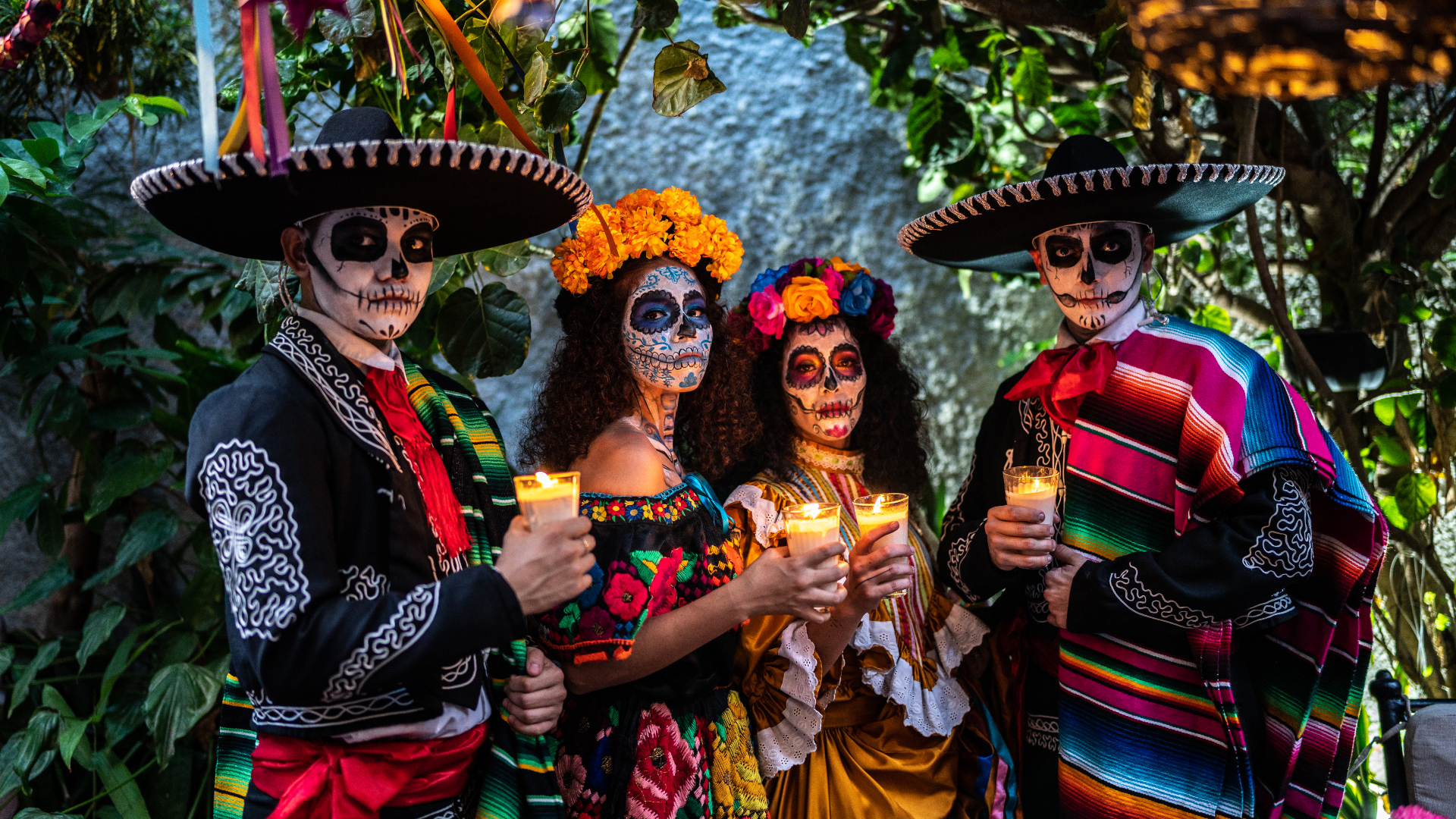
The Role of Culture in Shaping Society and Individuals
I still remember the first time I truly felt culture's…
What Makes a Culture “Top” in Global Terms?
The world bursts with thousands of vibrant cultures, each a…